Yves Perry · 19 November 2026
Polish Educational Institutions Launch Outreach to Widen Science Participation
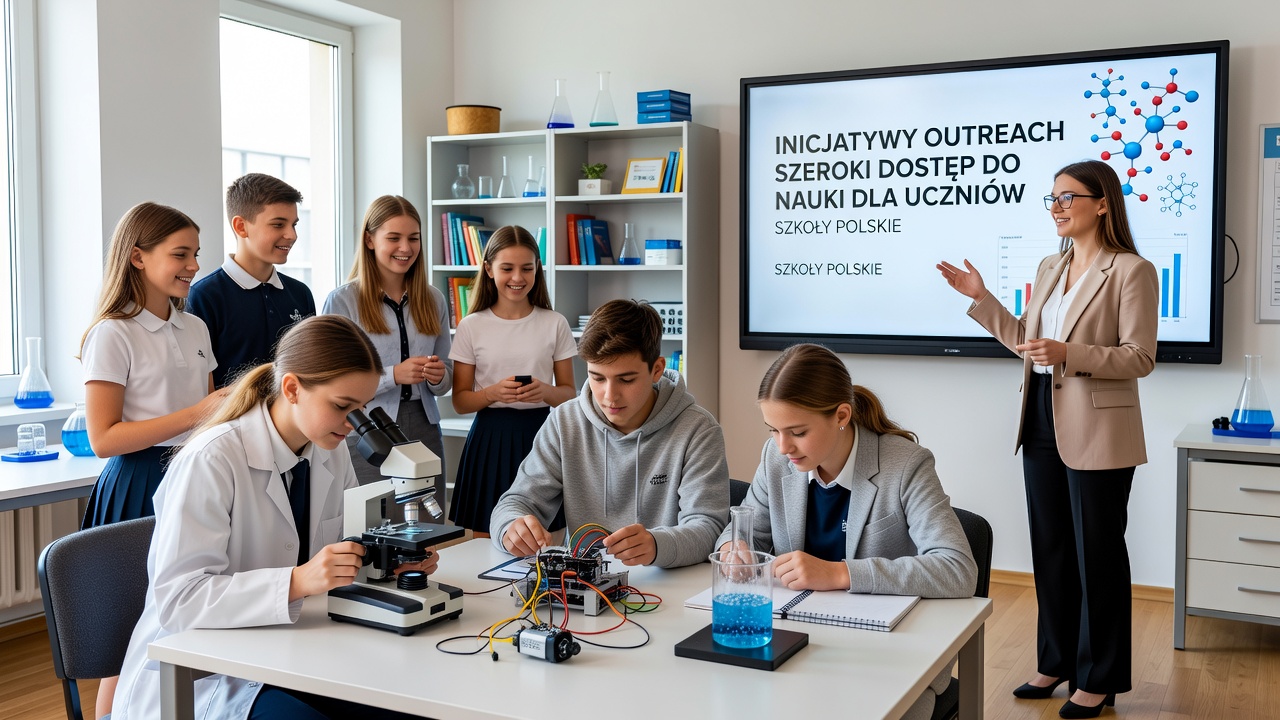
Outreach initiatives across Polish schools have expanded access to science education through partnerships between universities, regional governments, and national agencies, and these programs target students in both urban centers and rural areas where resources remain limited. Data from the Polish Ministry of Education and Science shows enrollment in advanced science tracks rose 18 percent between 2023 and 2025 in participating districts, while similar patterns appear in reports from the European Commission on STEM equity across member states.
Programs often combine after-school clubs, mobile laboratories, and teacher training sessions that introduce topics ranging from environmental monitoring to basic coding and biology experiments. One network operating in the Małopolska region connects secondary schools with Jagiellonian University researchers who deliver monthly workshops, and participation figures indicate more than 4,200 students took part during the 2024-2025 academic year.
Funding Structures and Regional Models
National grants administered through the Ministry of Science and Higher Education allocate resources for equipment purchases and instructor stipends, while EU structural funds supplement these efforts in less developed voivodeships. Observers note that schools in the Podlaskie and Lubelskie regions have recorded the steepest gains, with new partnerships formed after 2022 policy adjustments that prioritized underserved communities.
Local coordinators report that hands-on kits covering physics and chemistry concepts now reach approximately 150 institutions that previously lacked dedicated lab space, and training modules for educators emphasize inquiry-based methods that align with updated national curriculum standards. Figures released by the Foundation for Polish Science reveal that over 320 teachers completed certification courses in 2025 alone.
Student Outcomes and Cross-Institutional Links
Longitudinal tracking by several universities shows increased university applications from outreach participants, particularly in fields such as biotechnology and environmental engineering. Students who joined multi-week summer camps organized through the Polish Academy of Sciences demonstrated measurable improvements on standardized science assessments compared with control groups from the same schools.
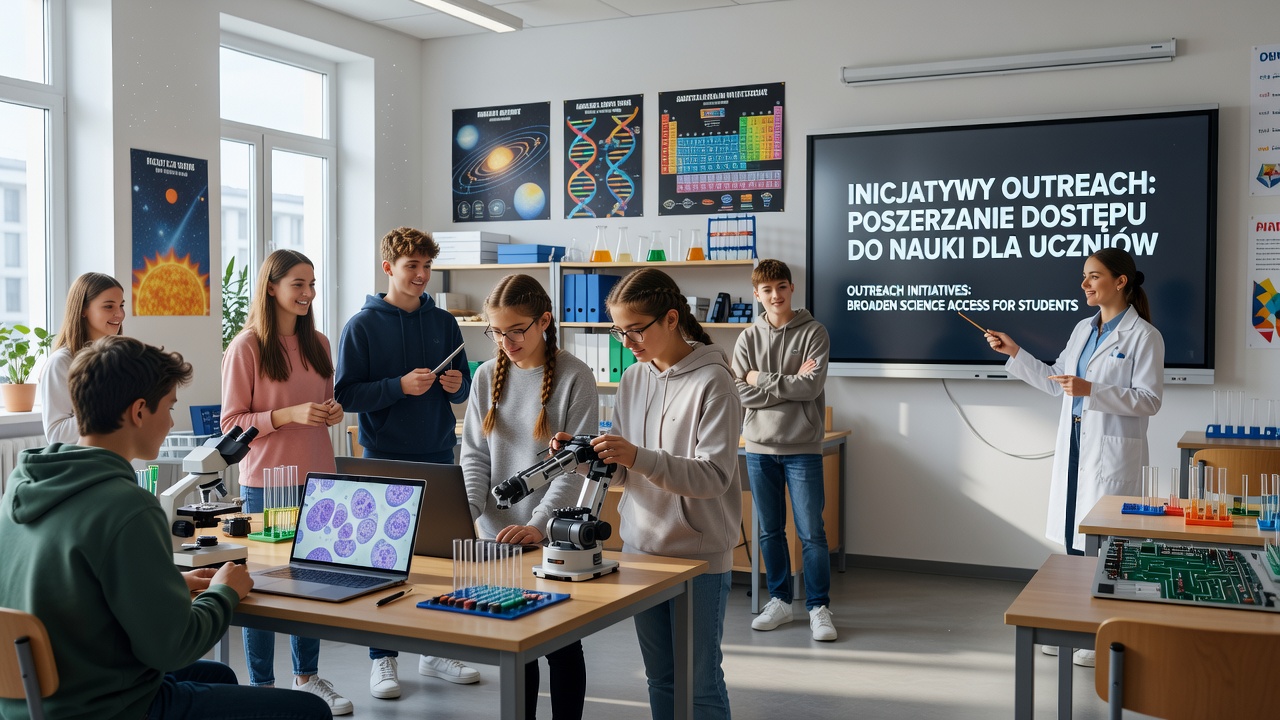
International collaborations add another layer, as some projects pair Polish classrooms with counterparts in Sweden and the Netherlands through virtual exchanges supported by the Erasmus+ program. These links allow students to compare data sets on water quality or renewable energy prototypes, and preliminary results shared at a 2025 conference in Warsaw indicated stronger cross-cultural problem-solving skills among involved cohorts.
November 2026 marks the scheduled rollout of an expanded digital platform that will connect additional rural schools to real-time experiment databases maintained by technical universities in Wrocław and Gdańsk. Planners expect the system to serve roughly 12,000 additional students in its first full year, building on existing infrastructure already tested in pilot districts.
Challenges and Adjustments
Implementation has not occurred without obstacles, as transportation costs for mobile labs and scheduling conflicts with core curriculum requirements continue to require creative solutions from regional coordinators. Some districts have shifted to weekend or holiday sessions, while others integrate outreach modules directly into regular class time through revised timetables approved at the provincial level.
Evaluations conducted by independent research teams at the University of Warsaw highlight the importance of sustained funding cycles, noting that one-time grants produce shorter-term spikes in engagement compared with multi-year commitments. Adjustments based on feedback loops have led to greater emphasis on peer mentoring, where older students guide younger ones through initial experiments.
Conclusion
Collectively these efforts demonstrate measurable expansion of science access within Polish educational institutions, supported by coordinated funding, university partnerships, and iterative program design. Continued monitoring through 2026 and beyond will clarify which elements deliver the most durable gains for students across varied geographic and socioeconomic contexts.