Rafael Brooks · 7 October 2026
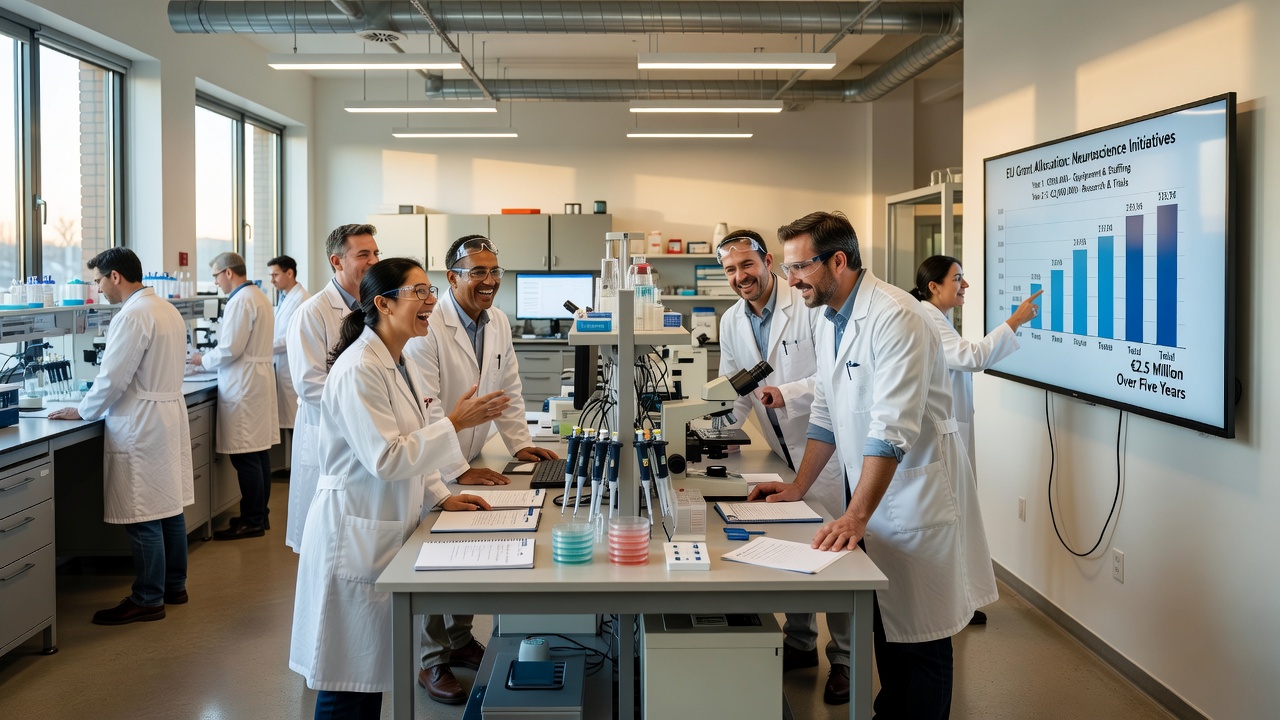
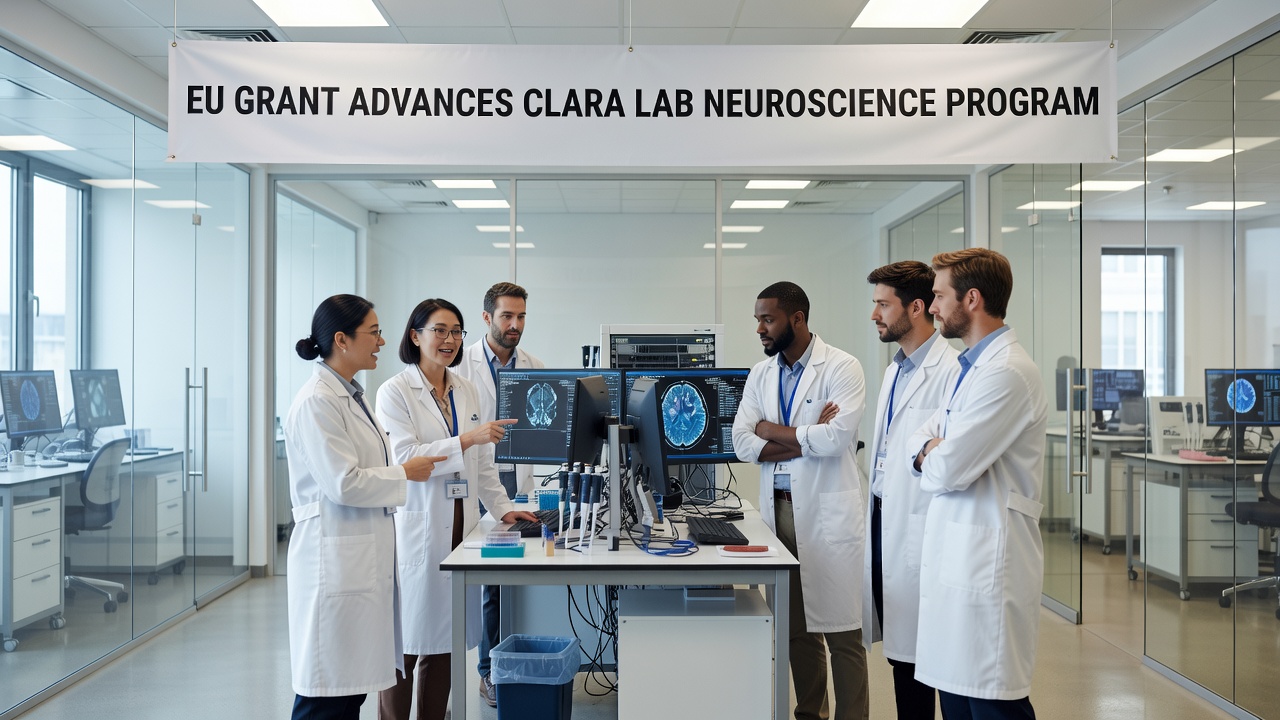
Clara Lab has received a major grant from the European Union to further its neuroscience research initiatives. The funding, amounting to 2.5 million euros over five years, will enable the expansion of studies on cognitive functions and neurodegenerative diseases. Researchers at the lab will utilize this support to acquire new equipment and recruit additional scientists specializing in brain imaging and molecular biology. The project will also involve international partners to broaden the scope of investigations.
Advancements in Neural Mapping Techniques
The grant specifically targets improvements in neural mapping technologies. Scientists plan to develop more precise methods for tracking brain activity in real time. This includes integrating artificial intelligence with traditional electrophysiology to analyze complex neural networks. Initial experiments will focus on mouse models of Alzheimer's disease, aiming to identify early biomarkers that could lead to better diagnostic tools for humans. Collaboration with universities across Europe is expected to enhance data sharing and validation of results. Workshops and training sessions will be organized to disseminate knowledge among young researchers in the field of neuroscience.
Furthermore, the program will explore synaptic plasticity mechanisms, which are crucial for learning and memory. By understanding how synapses strengthen or weaken, the team hopes to uncover potential therapies for conditions like epilepsy and depression. Data analysis will be performed using advanced computational models to simulate brain functions accurately.
Expected Impacts on Global Neuroscience
With this EU support, Clara Lab is positioned to contribute significantly to international neuroscience efforts. The outcomes may influence policy decisions regarding mental health research funding. Long-term goals include establishing a European center of excellence for brain studies based at the lab. Regular publications in high-impact journals are anticipated, along with presentations at major conferences. This grant marks a pivotal moment in advancing our understanding of the human brain and its disorders. Additional efforts will involve public outreach programs to educate communities about neuroscience findings. Partnerships with industry leaders could accelerate the translation of lab discoveries into clinical applications.