Yves Perry · 7 October 2026
Clara Lab Scientific Research has published findings from a detailed study on pollution in the Baltic Sea. The investigation spanned two years and covered multiple aspects of environmental contamination in this important European waterway. Scientists gathered data from diverse locations to understand the distribution and sources of various pollutants affecting water quality and marine life. The Baltic Sea's limited water circulation makes it particularly vulnerable to accumulation of harmful substances from surrounding land areas and human activities. Nine countries share its coastline, increasing the complexity of pollution control efforts.
Study Methodology
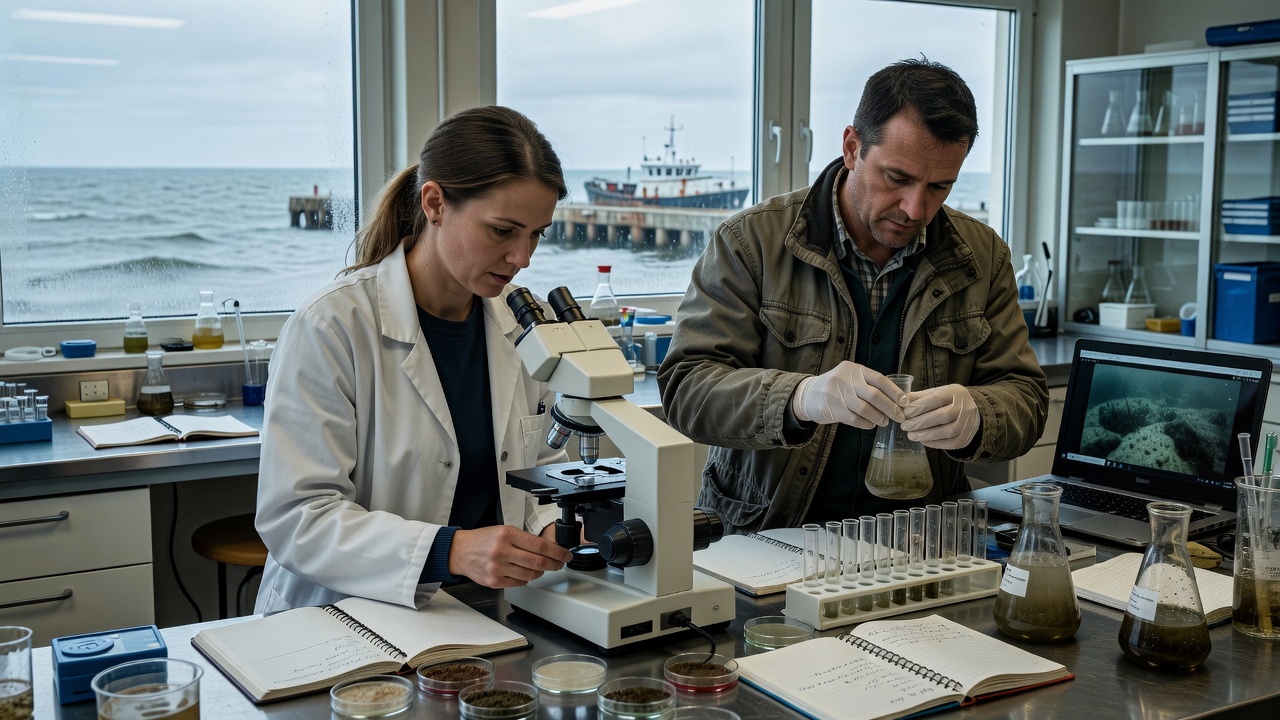
The methodology involved systematic collection of water, sediment, and biological samples at 50 strategic points throughout the sea. Advanced instruments measured concentrations of nutrients, heavy metals, plastics, and other chemicals with high precision. Remote sensing complemented on-site efforts by providing large-scale views of algal blooms and water clarity changes over seasons. International collaboration ensured consistency in data collection and analysis methods across borders. Rigorous validation processes confirmed the reliability of all measurements obtained during the fieldwork and subsequent lab phases. Teams also modeled pollution transport to identify primary sources and potential future trends based on current emission rates.
Key Findings and Recommendations
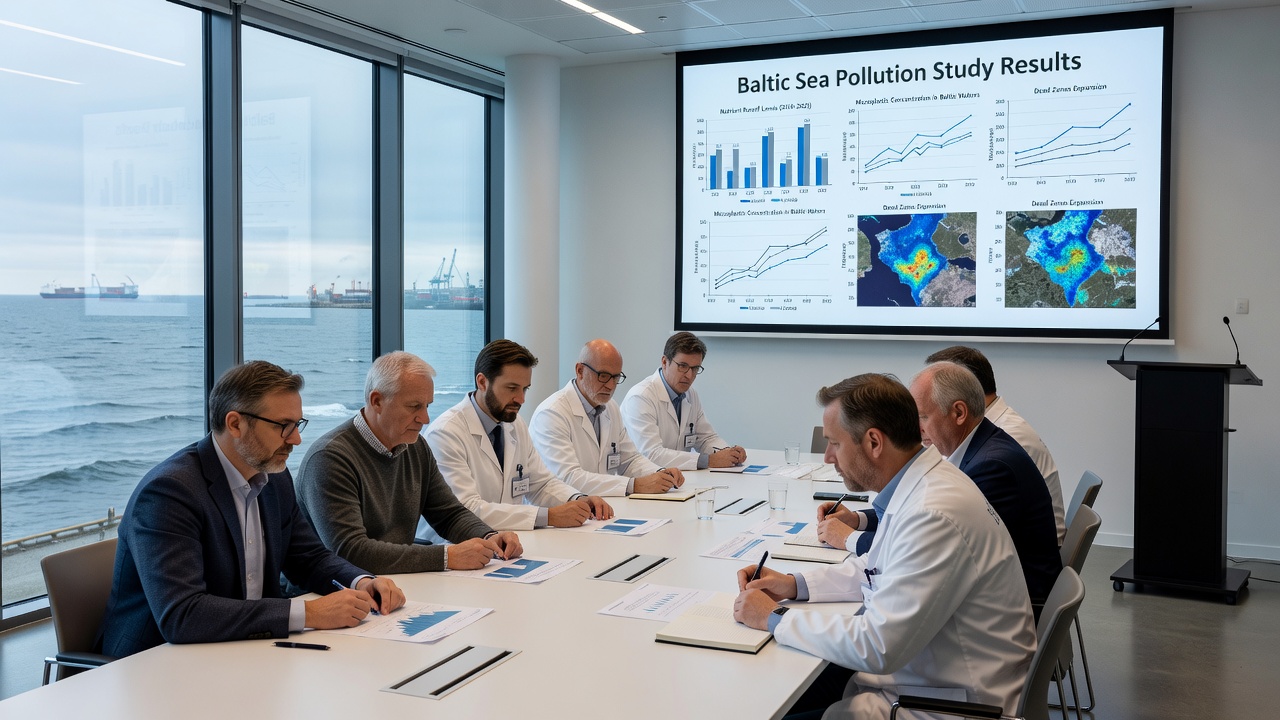
Results showed that nutrient pollution continues to drive eutrophication, with some areas experiencing severe oxygen depletion in bottom waters during summer months. Microplastic abundance was higher than anticipated, affecting the entire food web from small invertebrates to commercial fish stocks. Industrial contaminants were found in sediments, indicating long-term persistence and slow degradation rates. These conditions threaten marine biodiversity and the sustainability of local fisheries that support thousands of jobs. The study calls for immediate policy enhancements, including reduced fertilizer use in agriculture and better waste management practices at industrial facilities. Clara Lab plans additional research to evaluate the effectiveness of proposed measures over time and to explore innovative cleanup technologies that could accelerate recovery of the ecosystem. The findings underscore the importance of continued scientific monitoring to protect this unique sea for future generations.