Ulrich Coleman · 7 October 2026
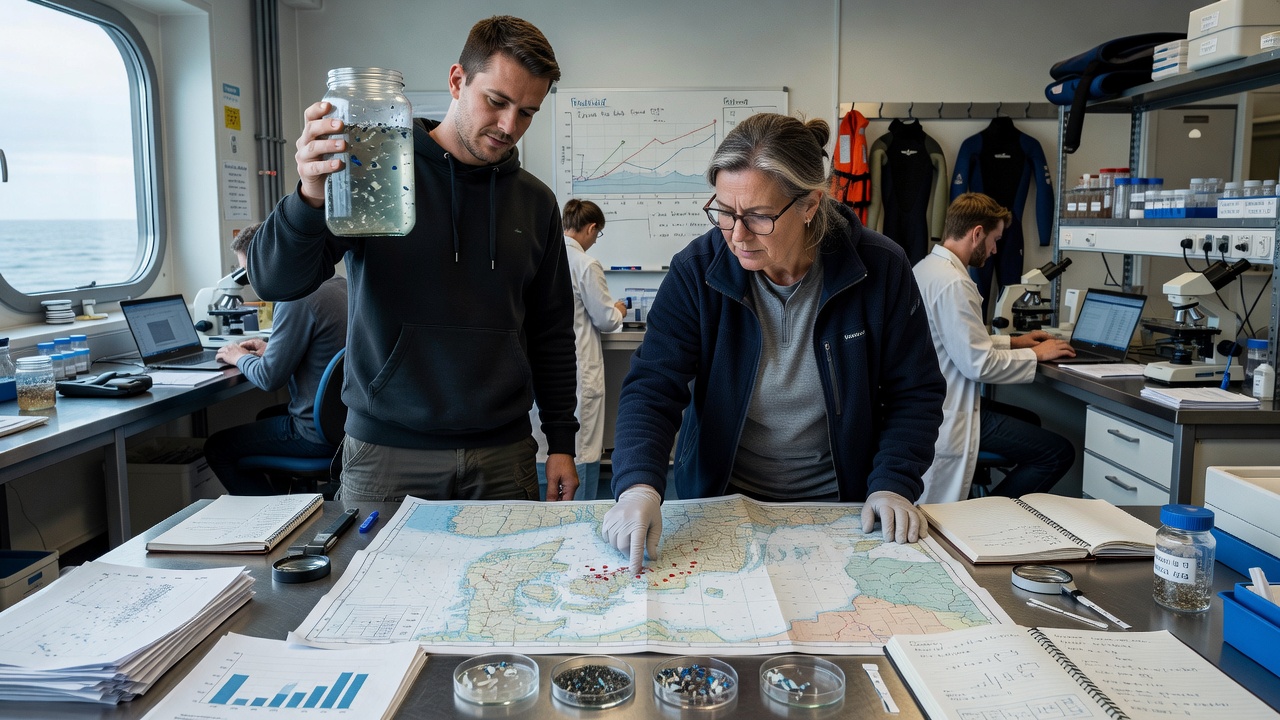
Clara Lab has released detailed results from its two-year investigation into pollution levels across the Baltic Sea. The study examined chemical contaminants, microplastics, and nutrient overloads at 45 sampling stations from the Gulf of Bothnia to the Danish straits. Researchers collected water, sediment, and biota samples during seasonal cruises and analyzed them using advanced spectrometry and imaging techniques.
Key Contaminant Levels Identified
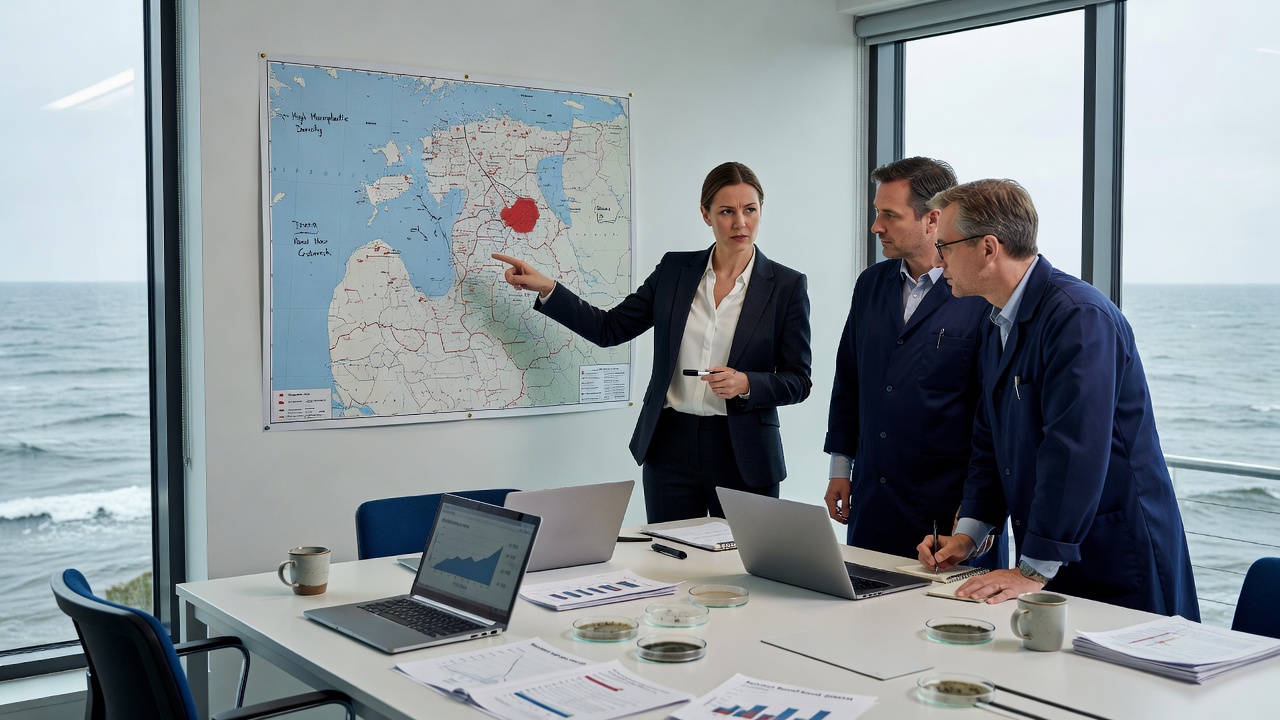
Findings indicate elevated concentrations of perfluorinated compounds near industrial river mouths, with average microplastic densities reaching 12 particles per cubic meter in surface waters. Heavy metals such as mercury and cadmium exceeded safe thresholds in 18 percent of sediment samples. Eutrophication indicators showed persistent oxygen depletion zones covering approximately 70,000 square kilometers during summer months. Marine species including herring and cod displayed measurable bioaccumulation of toxins, though levels remained below acute lethality thresholds. The data were cross-validated against historical records from 2015 to 2020, revealing a 15 percent rise in certain persistent organic pollutants.
Recommendations and Next Steps
Clara Lab proposes targeted reductions in agricultural runoff and stricter industrial discharge limits to curb nutrient and chemical inputs. The team advocates expanded monitoring networks and collaborative modeling with Baltic Sea riparian states. Long-term projections suggest that sustained intervention could reduce hypoxic areas by 30 percent within a decade. All raw datasets and analytical protocols are now publicly accessible through the lab repository to support further independent research and policy development.