Eden Walter · 22 October 2026
Awards for Polish Students in Renewable Energy Spur Cross-Border Networks and Innovative Prototypes
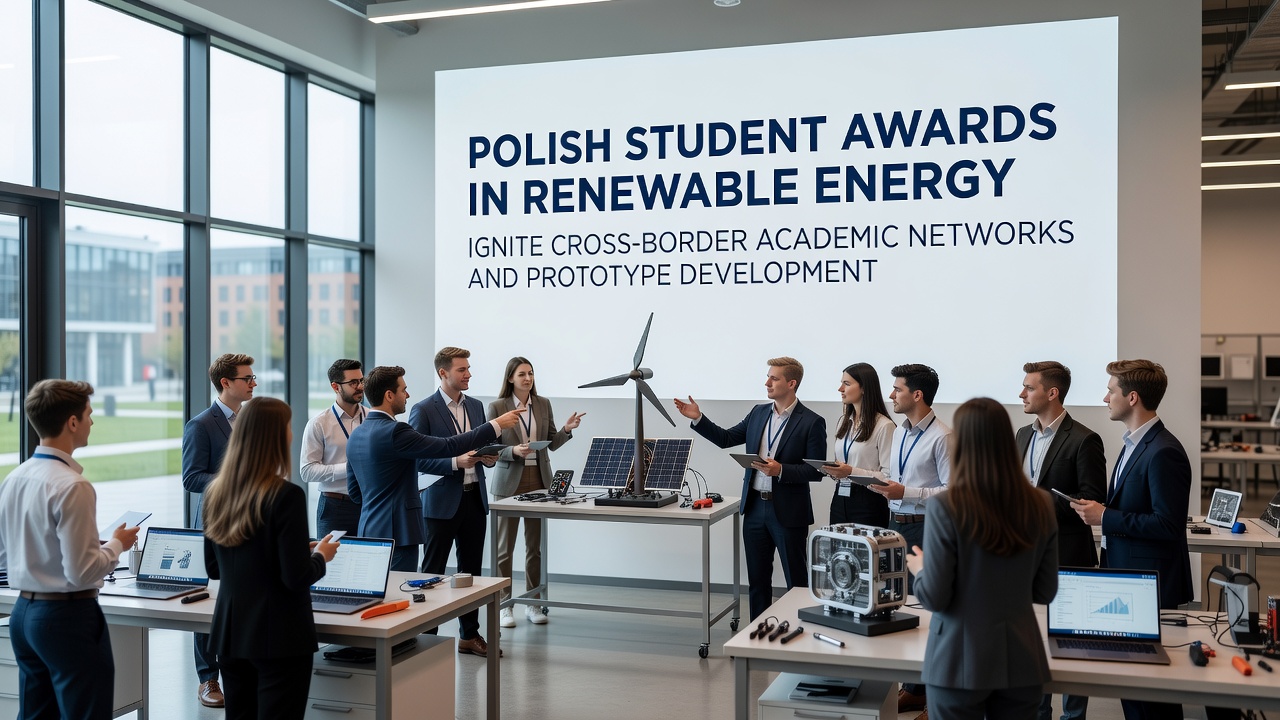
Polish student awards in renewable energy have gained momentum as catalysts for international academic connections and hands-on prototype creation, with events scheduled through October 2026 highlighting ongoing developments in the sector. These programs recognize student projects focused on solar, wind, and biomass technologies while fostering partnerships that extend beyond national borders. Data from the Polish Ministry of Climate and Environment shows participation from over 150 teams in the latest cycle, many of whom secure follow-up collaborations with institutions in Germany, Sweden, and the Netherlands.
Program Structure and Selection Process
Organizers evaluate submissions on technical feasibility, environmental impact, and potential for scalability, which leads to awards that include funding, mentorship, and access to laboratory facilities. The process incorporates reviews by panels that include representatives from academic bodies and industry groups, ensuring selected projects align with broader European Union renewable targets. Teams advance through preliminary rounds at regional universities before competing nationally, and winners often receive invitations to joint workshops that pair them with counterparts from neighboring countries.
One study revealed that award recipients frequently transition their initial concepts into functional prototypes within six months, supported by grants that cover materials and testing equipment. This timeline reflects the emphasis on practical outcomes rather than theoretical presentations alone, and it draws participants from engineering, environmental science, and materials disciplines across multiple Polish campuses.
Cross-Border Academic Connections Formed
Networks emerge when award events incorporate exchange components that connect Polish students with research groups abroad, creating pathways for shared data and co-authored publications. The European Environment Agency reports that such collaborations contribute to knowledge transfer on grid integration challenges, particularly in Baltic and Central European contexts. Participants report sustained communication through virtual platforms and reciprocal visits, which extend project lifespans beyond the initial award period.
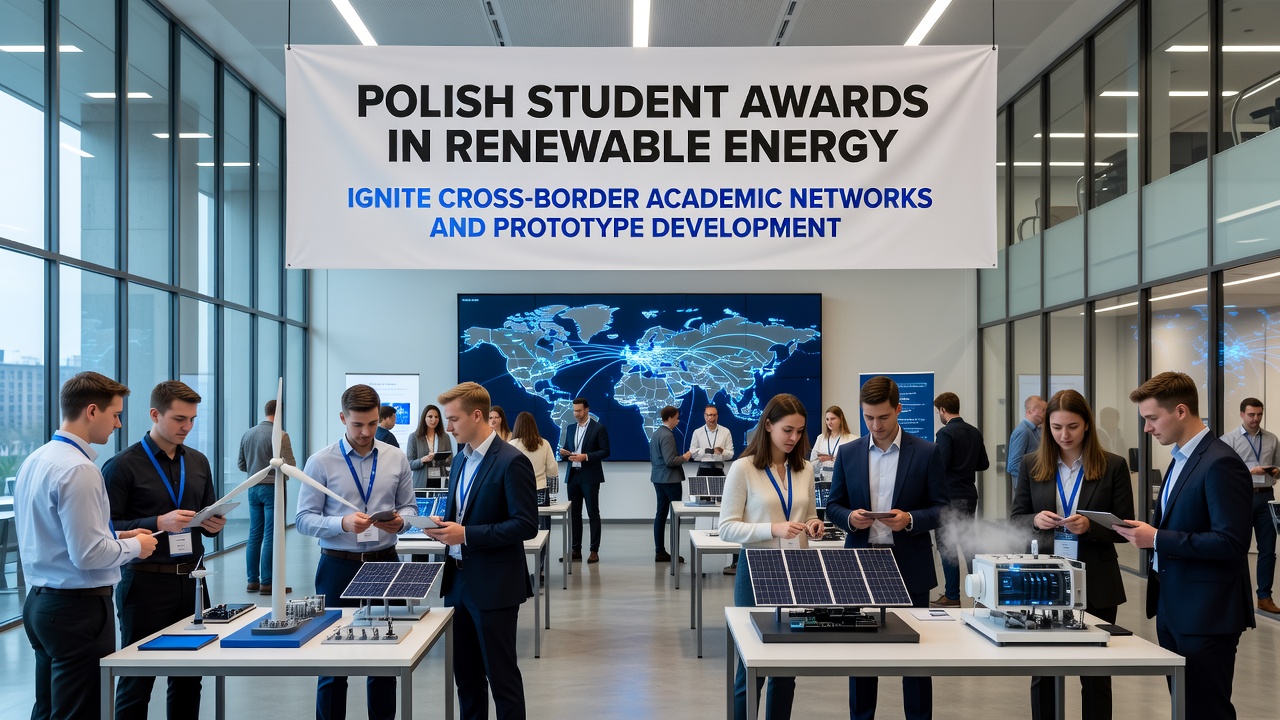
What's interesting is how these ties often lead to joint applications for larger funding streams, including those administered through Horizon Europe frameworks. Observers note that Polish-led prototypes on energy storage have been adapted for use in Scandinavian wind farms, demonstrating the reach of these student-driven efforts. The connections also facilitate student mobility programs that place winners in partner labs for extended research stays.
Prototype Development Outcomes
Prototypes developed under these awards range from compact wind turbines optimized for urban settings to bioenergy converters using agricultural waste, with several advancing to pilot testing phases. Research indicates that roughly 40 percent of award projects secure additional investment from private firms within a year of recognition, according to figures compiled by the National Renewable Energy Laboratory. This progression underscores the role of the awards in bridging academic work with commercial pathways.
Students refine designs through iterative testing at shared facilities, incorporating feedback from international mentors who bring expertise in regulatory compliance and supply chain logistics. One case involved a team from Gdańsk whose wave-energy device entered trials with a Danish maritime institute after the awards cycle concluded. Such examples illustrate how the program accelerates movement from concept to tangible hardware while embedding projects within wider European research ecosystems.
October 2026 Events and Forward Momentum
Upcoming gatherings in October 2026 will feature expanded categories for hydrogen-related innovations and smart-grid applications, building on prior years' momentum. Organizers anticipate increased involvement from Baltic Sea region universities, which aligns with regional priorities outlined in EU energy strategy documents. These events serve as checkpoints where past winners present updates on prototype refinements and new network participants outline emerging projects.
Attendance data from previous cycles shows steady growth in international observers, signaling broader recognition of the awards as entry points for collaborative research. The structure encourages ongoing dialogue through follow-up webinars and co-development challenges that keep momentum alive between annual cycles.
Conclusion
Polish student awards continue to function as entry points for renewable energy projects that generate both prototypes and enduring academic networks across borders. The emphasis on measurable outcomes, combined with structured opportunities for international exchange, positions these initiatives within larger patterns of European research cooperation. As October 2026 approaches, the program stands ready to incorporate new technologies and expand its participant base further.