Eden Otto · 19 November 2026
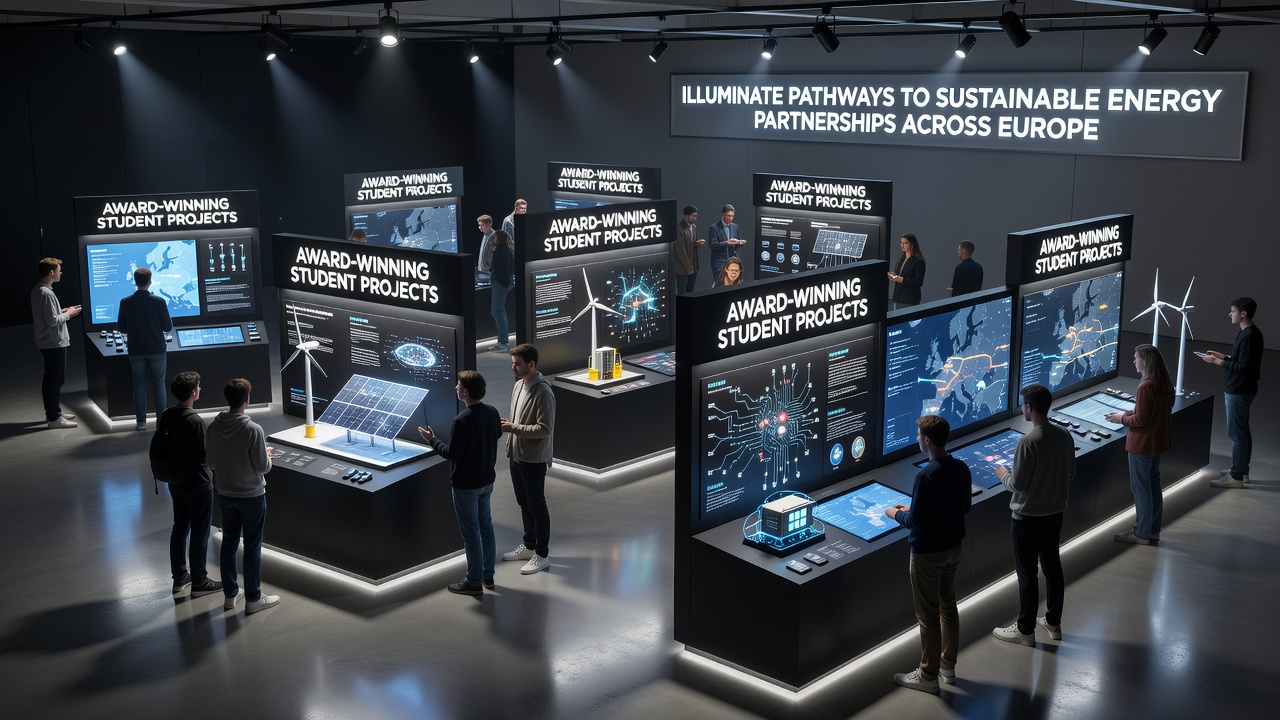
Student projects across Europe continue to earn recognition for their contributions to sustainable energy solutions, and these efforts have opened doors to cross-border partnerships that extend well beyond individual campuses. Data from the European Commission shows increased collaboration among universities in at least twelve member states since 2023, with student-led initiatives often serving as the initial spark for larger research networks. Projects typically focus on solar efficiency, wind integration, and hydrogen storage prototypes, and several have secured funding through EU Horizon programs. Observers note that award criteria emphasize both technical innovation and potential for scalable partnerships, which encourages teams to incorporate input from industry partners early in the development process. One standout effort from a team in the Netherlands involved modular battery systems designed for urban microgrids, and this work led directly to a joint pilot with research groups in Sweden and Spain. Figures released by the International Energy Agency indicate that similar student prototypes have contributed to a measurable uptick in pilot deployments across northern and southern Europe during the past two years.Key Projects and Their Pathways to Partnership
Award ceremonies held in 2025 highlighted entries from Poland, Germany, and Italy that addressed grid stability challenges through innovative software controls. These projects caught the attention of national energy agencies, and subsequent workshops organized by the agencies helped match student teams with established laboratories in France and Austria for further testing.
Researchers have documented how such matches often evolve into multi-year agreements, with data sharing protocols established within the first six months of collaboration. Evidence from university reports shows that student involvement tends to accelerate knowledge transfer because teams bring fresh modeling techniques and willingness to iterate rapidly on designs.
Developments Expected in November 2026
Events scheduled for November 2026 include a major exhibition in Brussels where winning student projects from the prior academic year will demonstrate updated versions of their prototypes. Organizers have confirmed participation from energy ministries in Belgium, Denmark, and Portugal, along with representatives from private sector partners who have expressed interest in licensing select technologies.
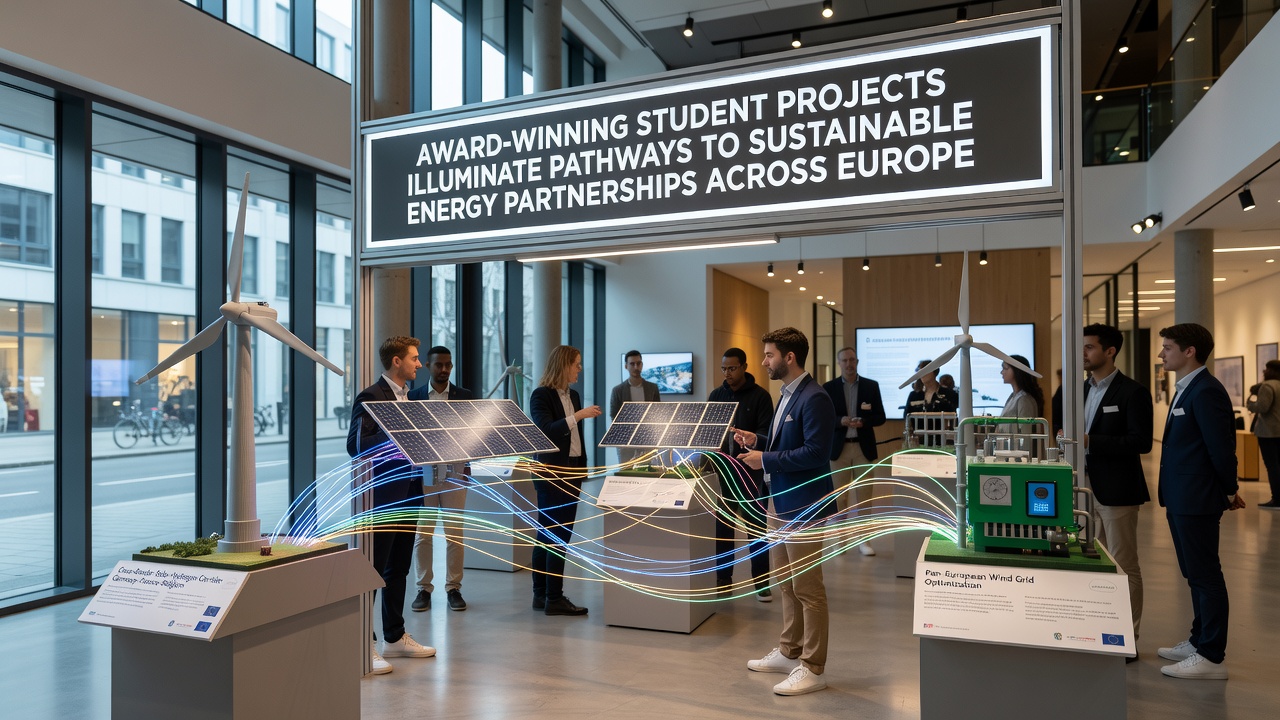
Preparations for these demonstrations involve coordinated testing across three time zones, and preliminary results suggest improvements in energy retention rates of up to 18 percent compared with earlier models. Funding announcements tied to the exhibition are expected to support continued exchanges among the participating institutions.
Broader Impacts on European Energy Networks
Partnerships emerging from these awards have begun to influence regional policy discussions, particularly around standards for distributed energy resources. Government documents from several member states reference student-generated data sets when outlining targets for 2030, and academic networks have used the same data to publish joint papers on system resilience.
What's notable is the way these collaborations cross traditional disciplinary boundaries, bringing together engineering students with those studying environmental policy and economics. This mix has produced proposals that address both technical feasibility and regulatory pathways, which industry observers say increases the likelihood of real-world adoption.
Conclusion
Student projects recognized through European awards continue to serve as entry points for sustained energy partnerships that span multiple countries. As preparations advance for the November 2026 events, the pattern of recognition followed by collaboration shows no sign of slowing, and available records indicate that the resulting networks are expanding the range of tested solutions available to the continent's energy sector.